🎉 Up to 70% Off Selected ItemsShop Sale
Cabin Solution (2560W | 19.2kWh)
HomeStore

Cabin Solution (2560W | 19.2kWh)

Cabin Solution (2560W | 19.2kWh)

$2,310.00

Original: $7,699.99

-70%
Cabin Solution (2560W | 19.2kWh)

$7,699.99

$2,310.00

The Story

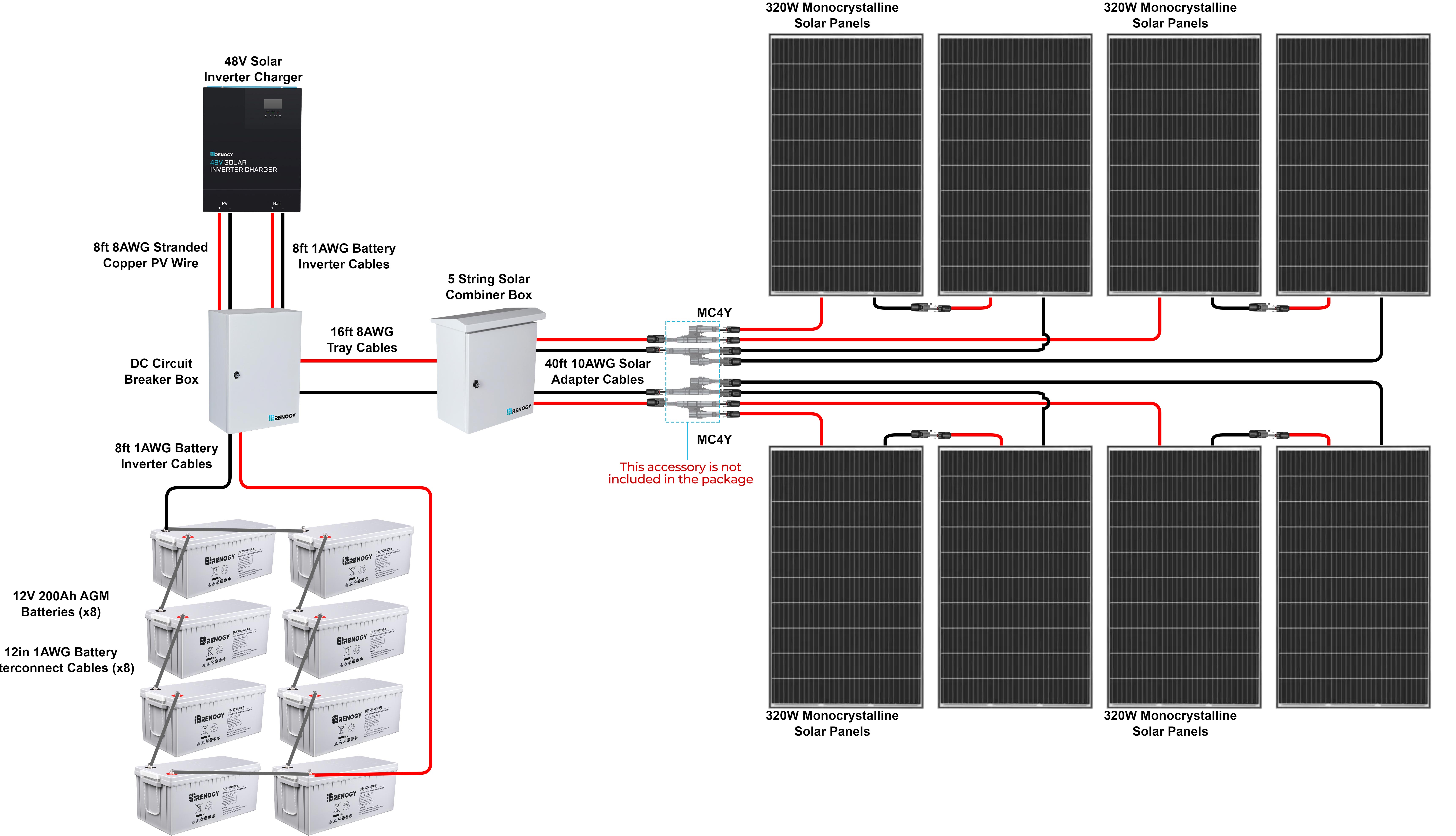
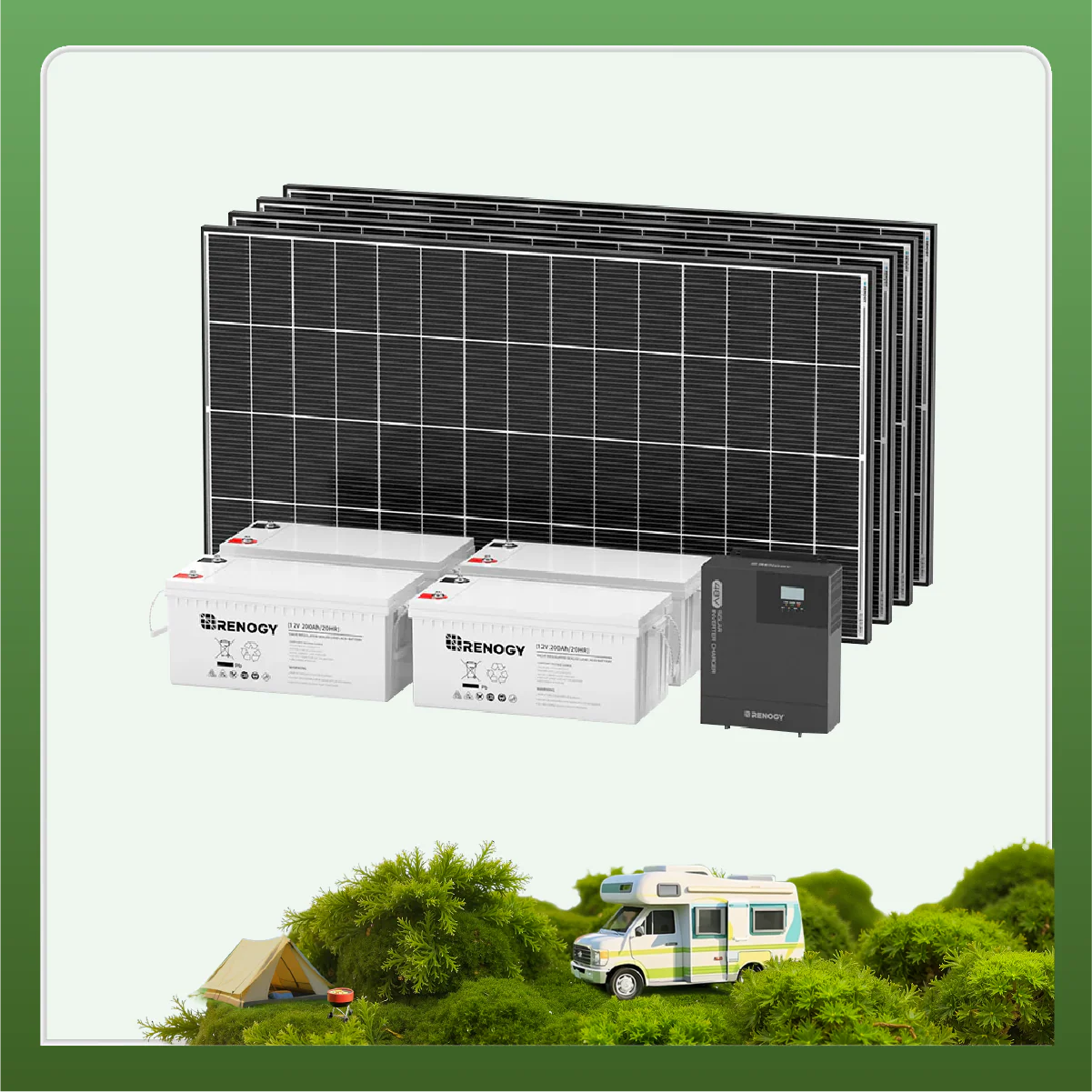
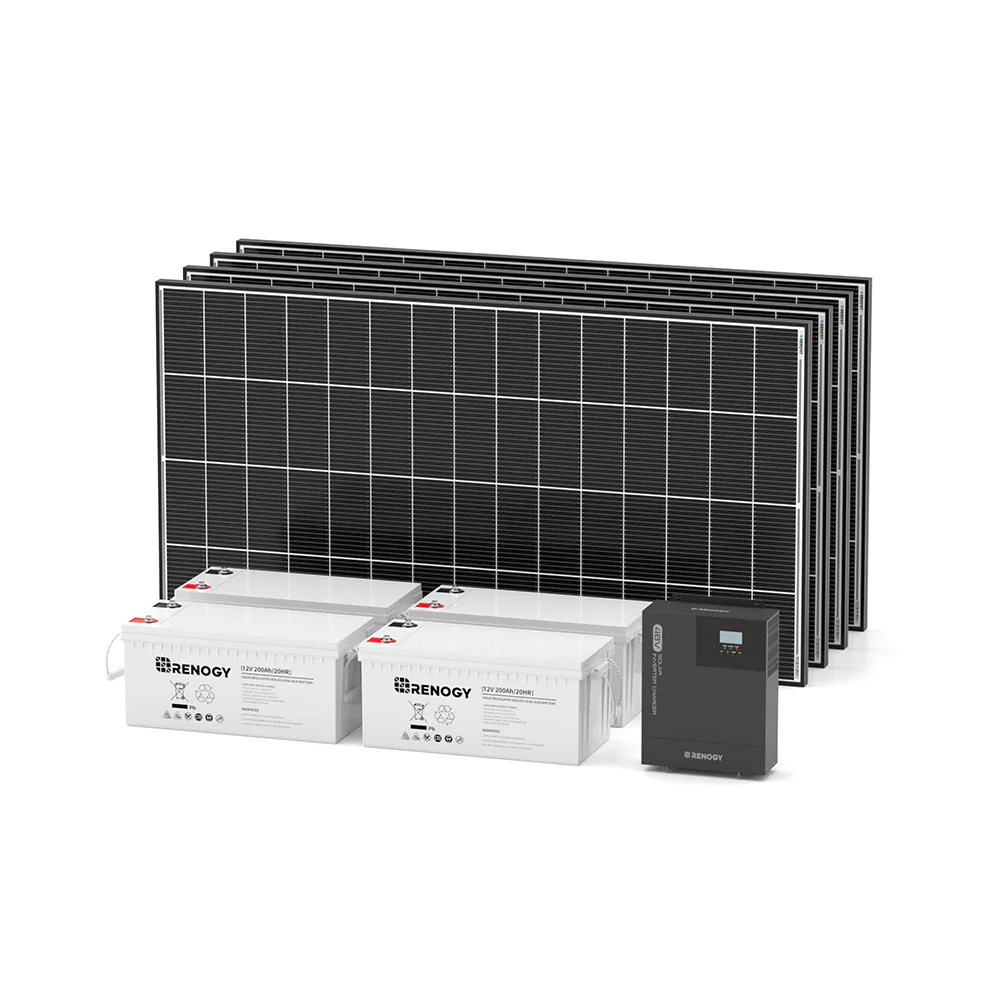
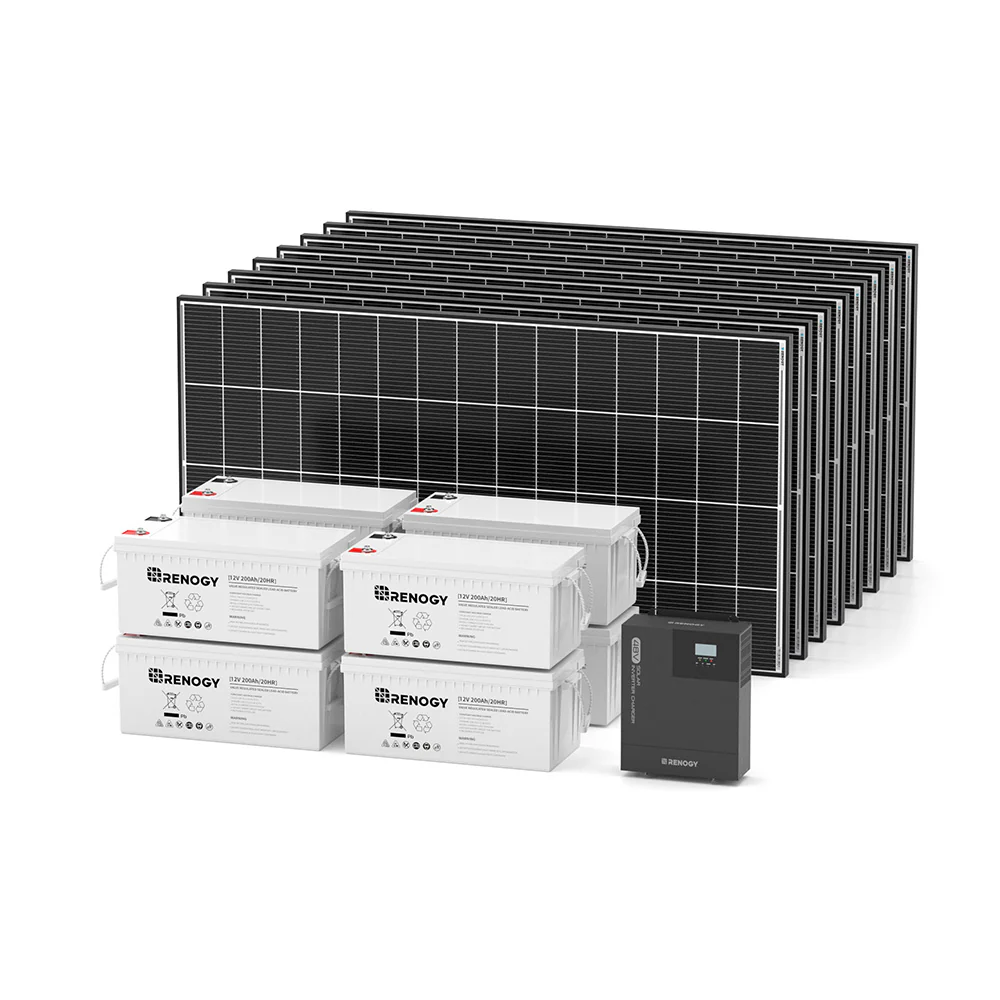
●  2.5kW high-efficiency PERC panels.
●  19.2kWh battery bank.
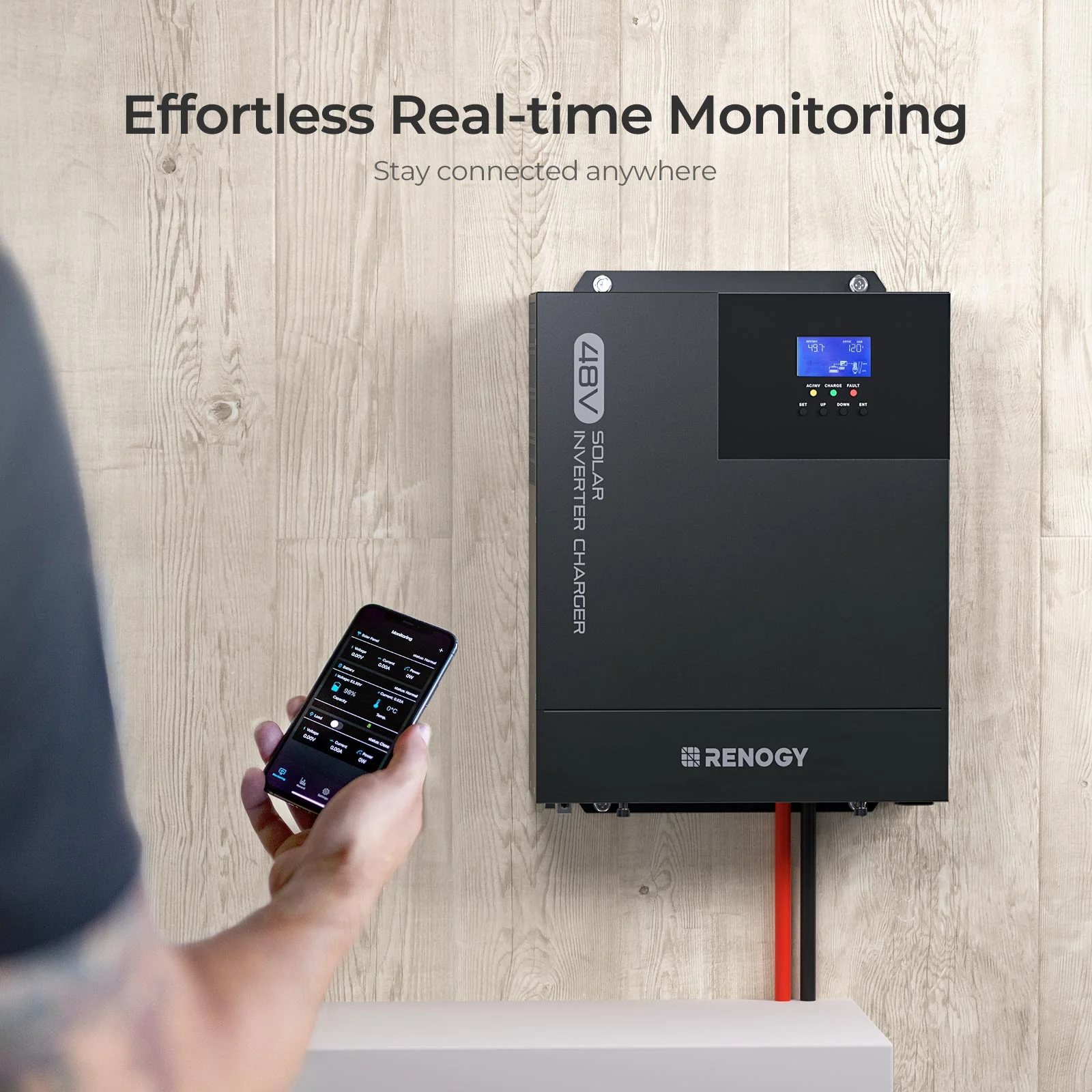
●  All-in-one 48V 3500W solar inverter charger.
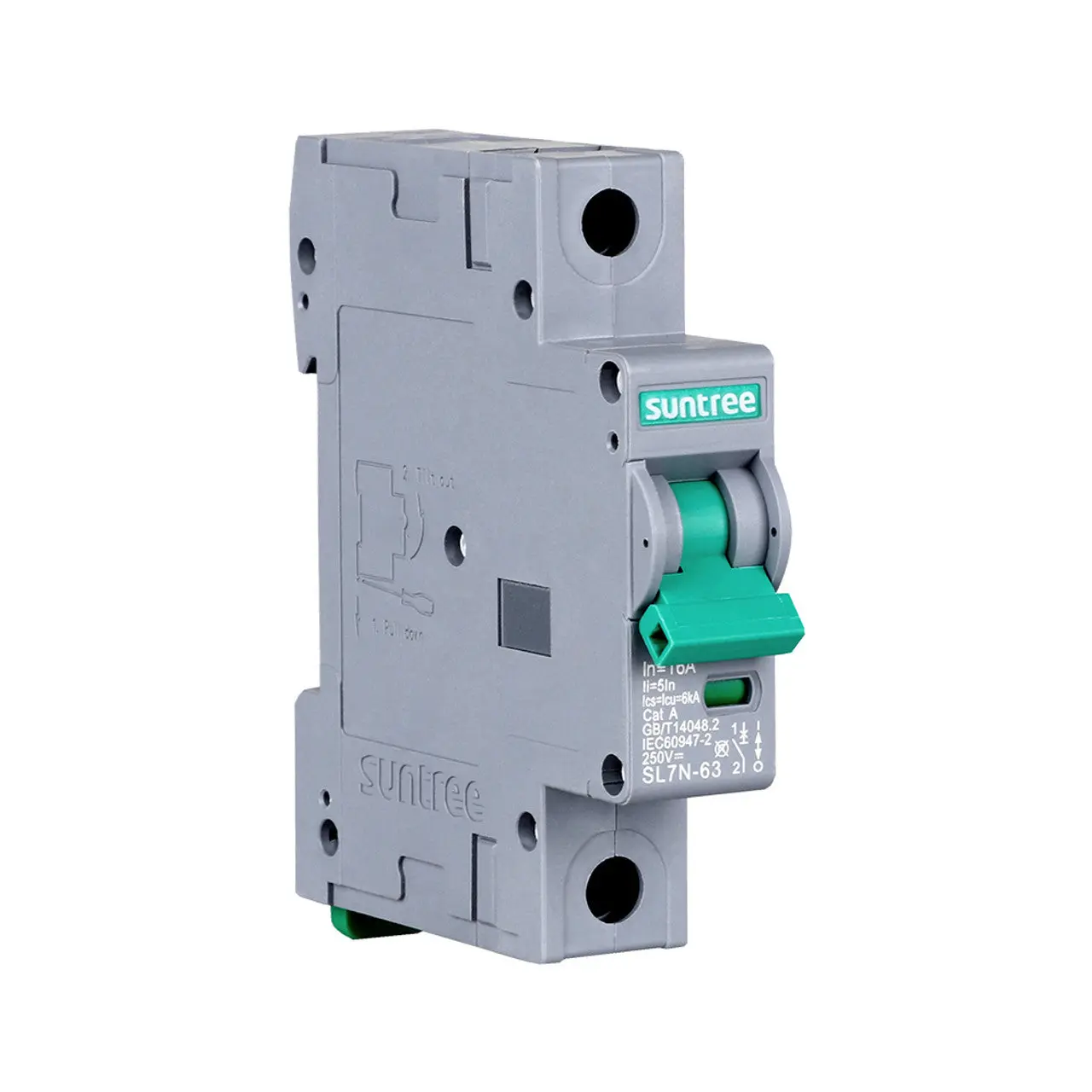
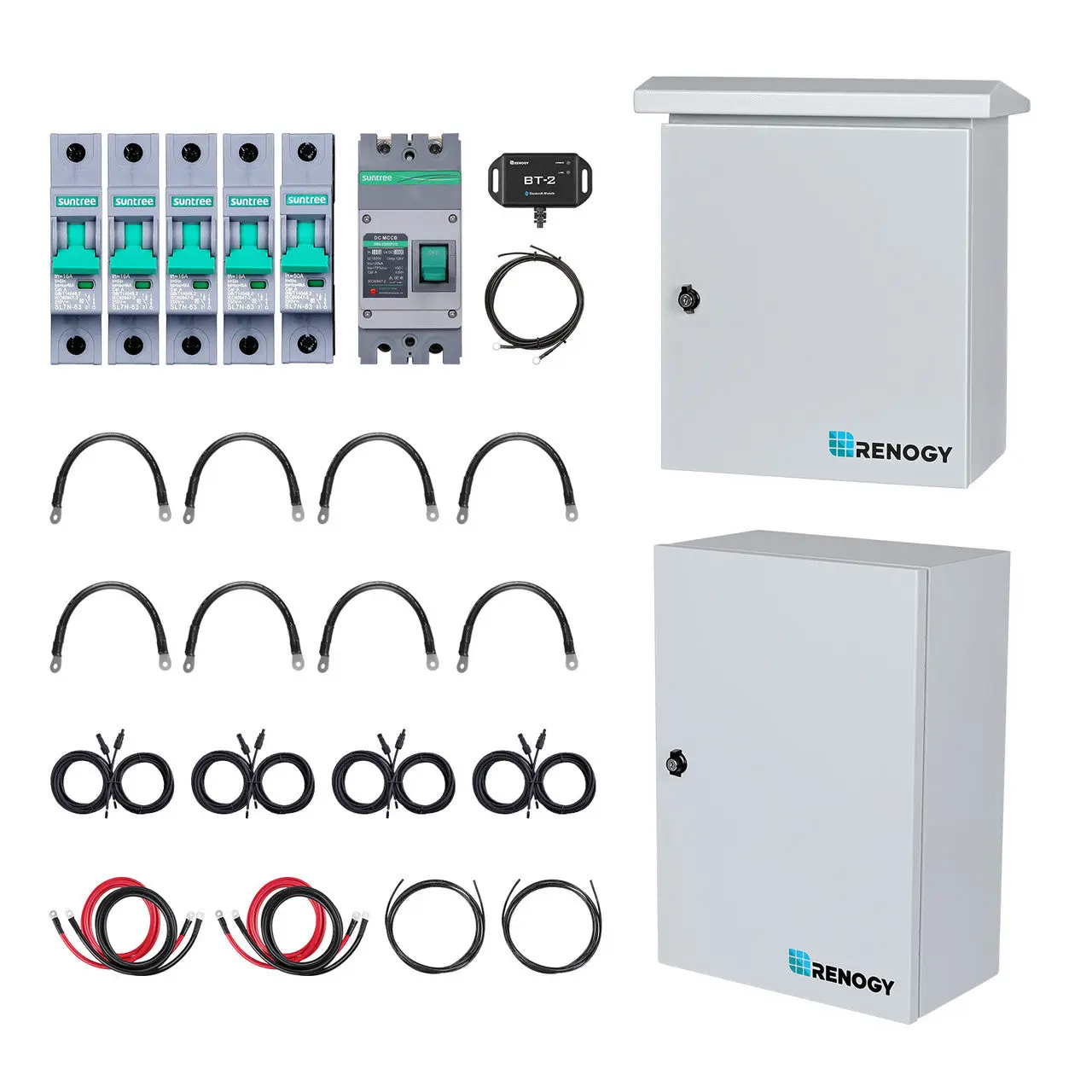
●  Includes DC circuit breakers for added protection.
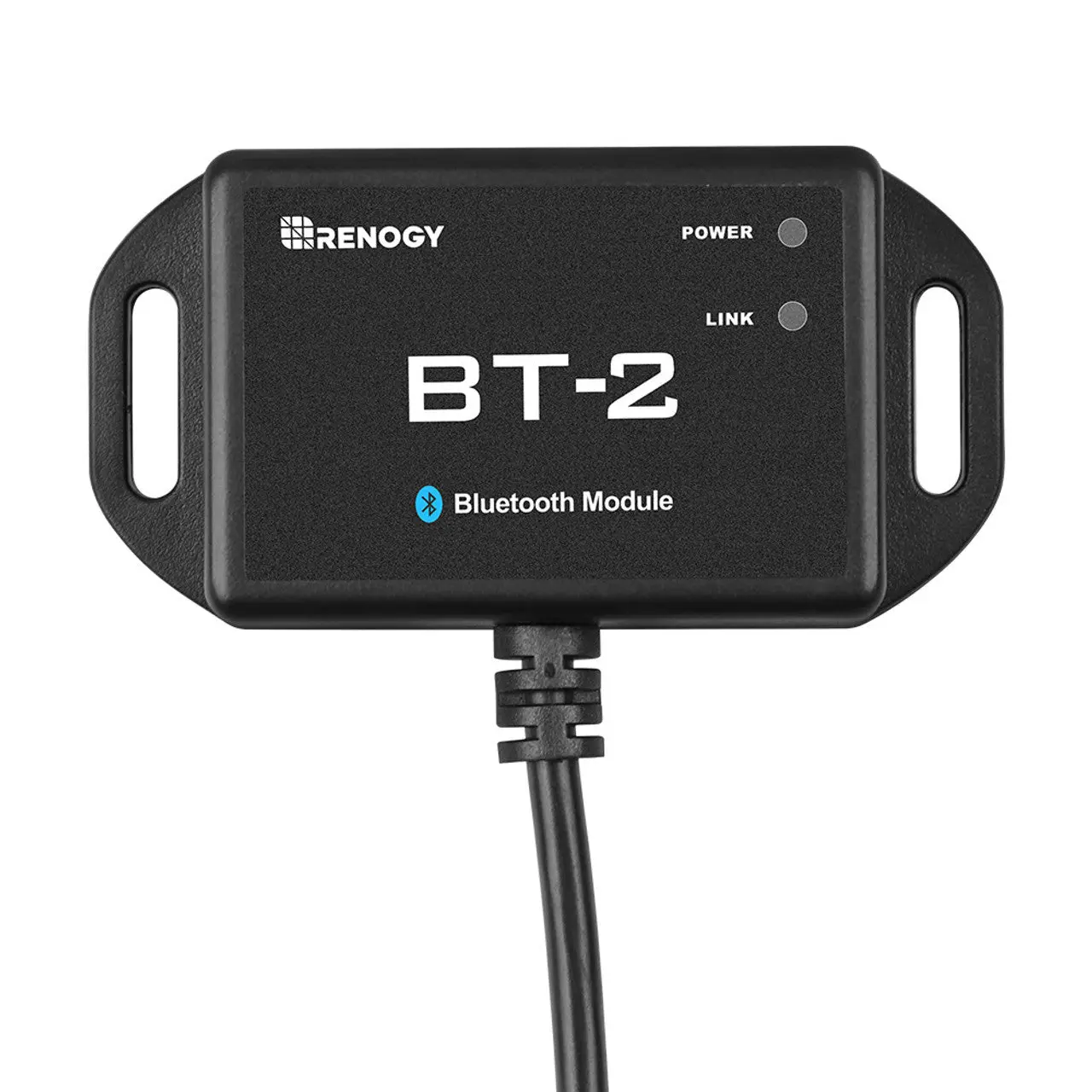
●  Remote monitoring via Bluetooth.

KEY FEATURES

【Versatility】 This product is useful for a variety of applications ranging from tiny/rural home power supplementation to off-grid cabin/shed power supply.
【Grid Independence】 Users can stay prepared for power outages and grid fluctuations, or may power essential appliances where grid access is unavailable.
【Economic Benefit】 Once set up, this product is capable of passively generating power which can be stored, allowing users to avoid expensive grid charges, while simultaneously increasing the value of their home.
【Environmental Impact】 This product offers a clean alternative to typical, fuel based power generation, allowing users to shrink their carbon footprint and help reduce harmful emmissions.
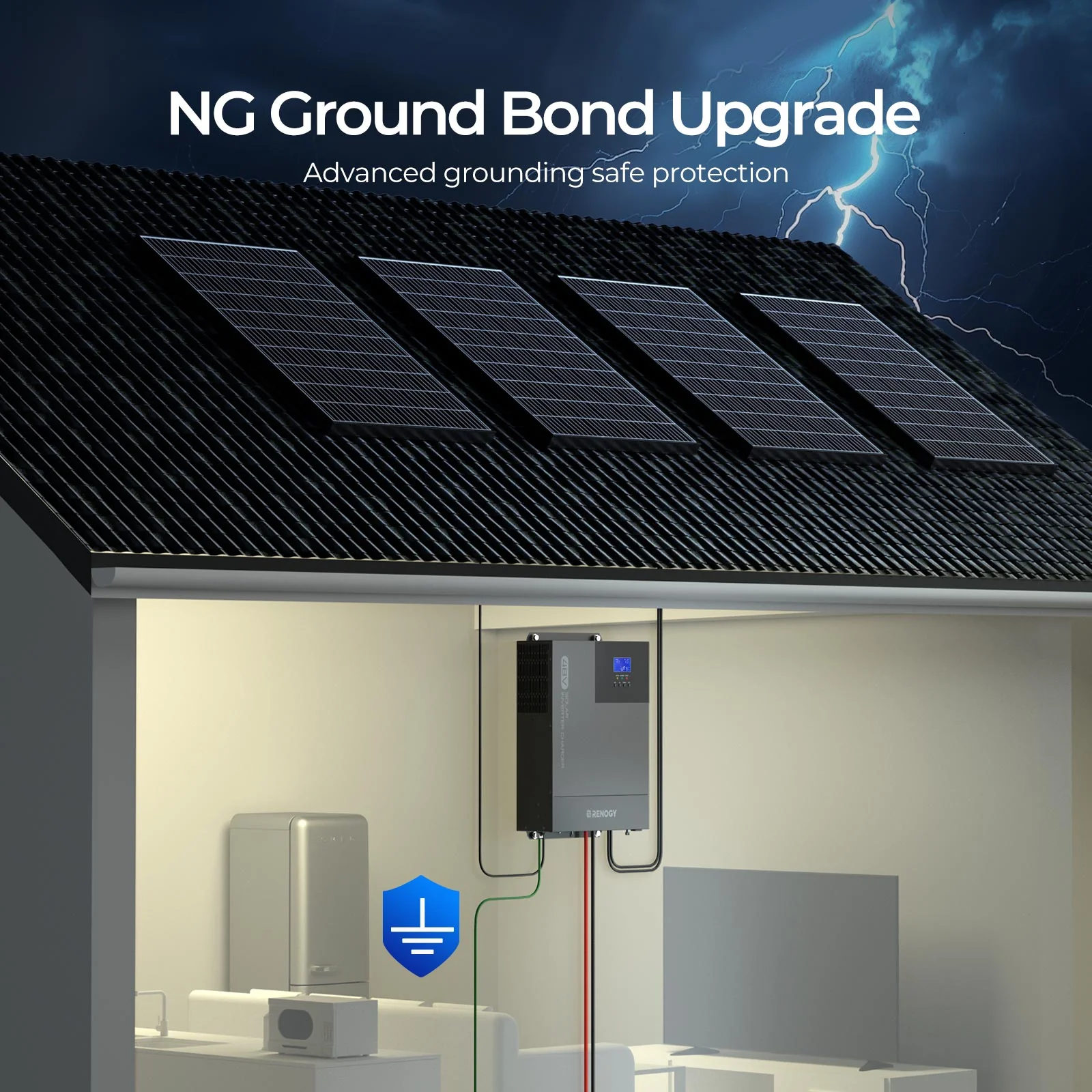
【Safety】 The DC circuit breakers protect electrical systems from potential damage caused by an overload or a short circuit, and easily disconnect the electrical systems from the power bank in the event of maintinence.
13 Years Enabling Energy Freedom

Over 10 million solar panels sold

Renogy 2.5kW Essential Plus Kit
Renogy’s 2.5kW Essential Plus Kit is the ultimate solution for your off-grid tiny home, offering higher power capacity to elevate comfort and convenience. With everything you need for reliable, sustainable energy, it’s designed to keep your home powered and comfortable, no matter where you are.
Power your appliances indefinitely with Renogy’s 2.5kW Essential Plus Kit.
All you need for your off grid tiny home, powered by the sun.
Friendly DIY Installation and Storage
 
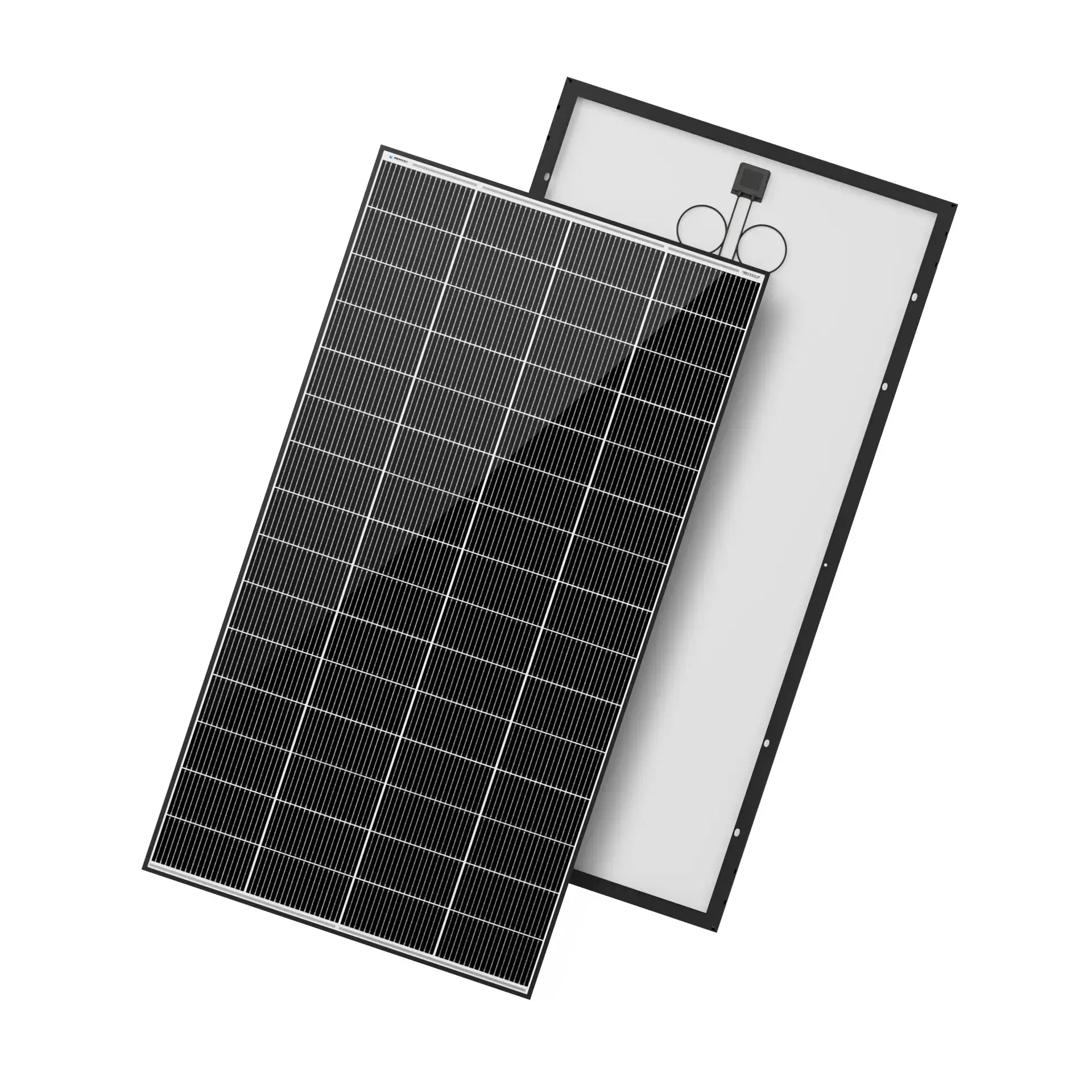
320 Watt N-Type Monocrystalline Solar Panel
Maximum Power at STC: 320W Optimum Operating Voltage (Vmp): 37.85V
Open-Circuit Voltage (Voc): 43.82V Optimum Operating Current (Imp): 8.46A
Short-Circuit Current (Isc): 8.92A Operating Temperature: -40°F~185°F / -40℃~85℃
Cell Efficiency: 22.2%
Maximum System Voltage: 1000V DC (UL)
Maximum Series Fuse Rating: 20A Weight: 14.9kg/32.9lbs
Dimensions: 1640*880*35mm/64.6*34.7*1.4in
Certifications: CE, ISO, UL
 
48V 3500W Pure Sine Wave Solar Inverter Charger
Output Waveform: Pure Sine Wave Max Rated Power: 3500W
Input Voltage: 120VAC Input Voltage Range: 85VAC ~ 140VAC
Input/Output Frequency: 50/60Hz Adjustable Output Voltage: 120VAC (100VAC~120VAC, 5VAC Increments)
Charge Controller Type: MPPT Max PV Input/Output Power: 4400W
Max PV Charging Current: 80A Dimensions: 17.51 x 12.99 x 4.88in / 444.8 x 330 x 124 mm
Weight: 22.38 lbs /10.15kg
 
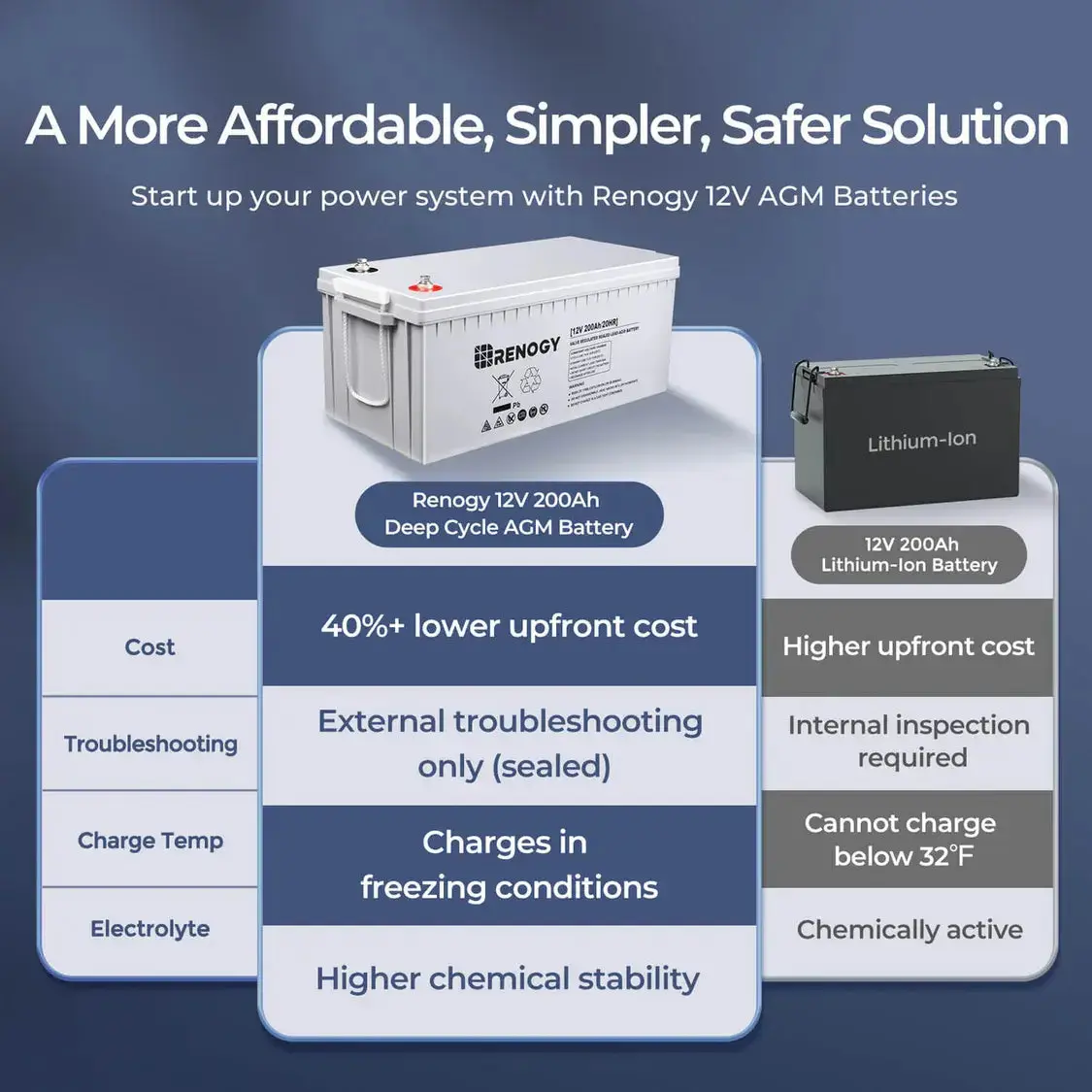
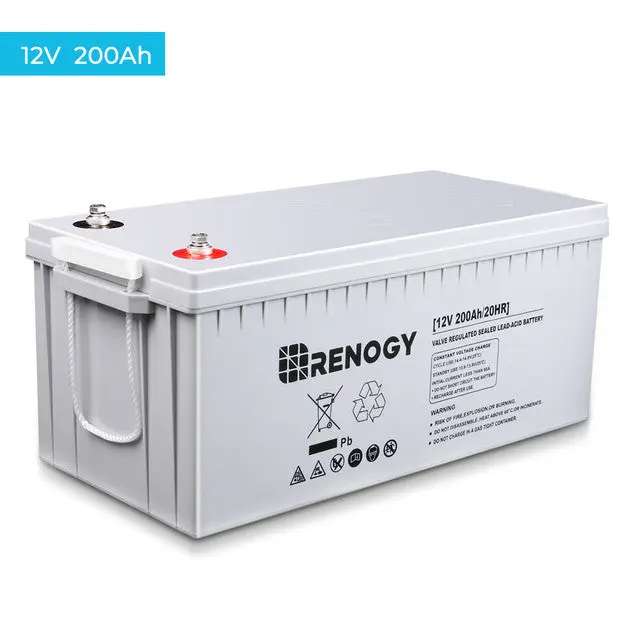
12 Volt 200Ah Deep Cycle AGM Battery
Battery Type: AGM Rated Capacity: 200Ah (20 Hour Rate to 10.5V)
Nominal Voltage: 12V Internal Resistance: Approx. 3.5mΩ
Connection Method: In Series, and In Parallel (up to 4) Dimensions: 20.6 x 9.4 x 8.8 in / 522 x 240 x 224 mm
Weight: 127.9 lbs / 58 kg Standard Operation Temperature: 77°F±9°F(25°C±5°C)
 
WARRANTY INFORMATION
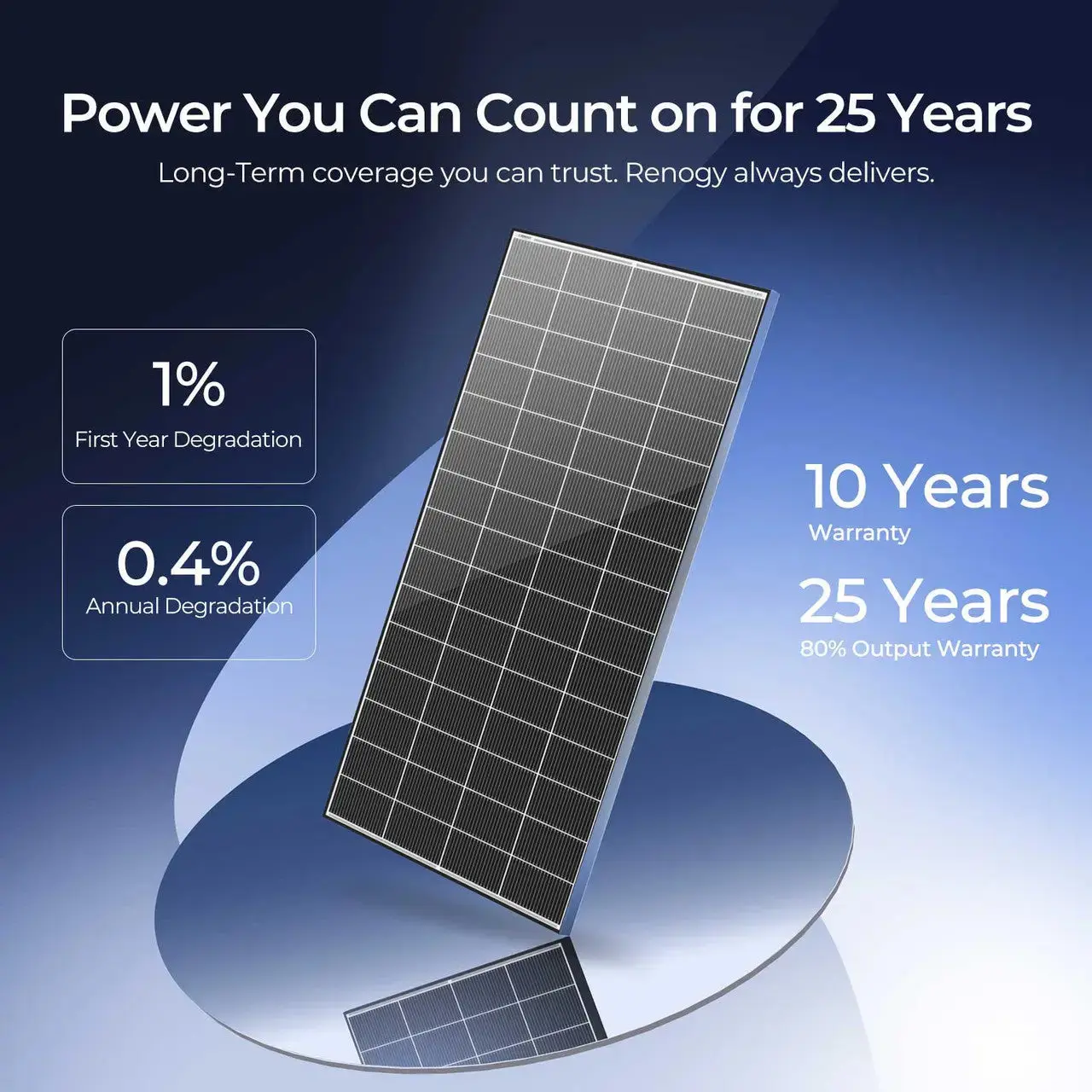
Panels: 25-year power output warranty: 5 year 95% output warranty, 10 year 90% output warranty, 25 year 80% output warranty 10-year material and workmanship warranty Accessories: 1-year material and workmanship warranty
 

1. How many solar panels and batteries do I need to run an AC?


The number of solar panels and batteries needed to power your AC unit depends on the AC unit’s power consumption, and typical duration of usage. To run a 12000BTU mini-split AC unit (which is commonly used in tiny homes) for several hours per day, we recommend between 1000 and 2000 watts of solar, and between 4 and 8 kilowatt-hours.

2. How many solar panels or how much solar power do I need for an off-grid tiny home or small cabin?

 
The number of solar panels needed for an off-grid tiny home depends on your daily energy consumption and the capacity of solar panels.

3. Can I install a solar system for my off-grid tiny home or small cabin by myself?

 
Installing a solar system yourself is possible, but it does require some knowledge of electrical systems. If you feel confident and well-informed, go for it! Installing a Renogy AGM tiny home system requires mounting solar panels, connecting panels to circuit breakers and solar inverter chargers, and then connecting the solar inverter charger to the battery bank. Installing a Renogy Lycan tiny home kit simply requires mounting solar panels and connecting them to the Lycan unit. If you have any doubts or want expert guidance, we recommend consulting with a professional or reaching out to our dedicated customer support team. We are here to ensure your solar journey is smooth, successful, and tailored to your specific needs.

4. Should I mount the solar panels on the roof or on the ground?

 
Roof mounting is more discreet and utilizes existing space. Ground mounting will take up additional space but offers easier access for cleaning/maintenance.

5. What is the difference between a 12V and a 48V system?

 
The voltage refers to the battery bank's capacity. A 12V system has lower voltage but higher current, which is suitable for small setups. A 48V system has higher voltage and lower current, and experiences lower energy losses in the form of heat (due to reduced current flow), resulting in an overall more efficient system.

6. Can this solution be integrated with a grid tied system?

 
The answer is yes. This system can be integrated with a grid-tied home and used as a backup/emergency power application. The system is not intended to be tied directly to the grid in such a way that electricity generated by solar may be directly fed back into the grid (such as a fully grid-tied or hybrid solar system is).

7. How do I size my electrical system requirements?

 
Calculate your daily energy consumption in watt-hours and consider sunlight availability. Choose panels and batteries to meet or exceed your needs.

8. How many batteries do I need for an off-grid tiny home or small cabin?

 
The number of batteries depends on your daily energy consumption and desired days of autonomy.

9. What is the difference between a normal home solar system and an off grid home solar system?

 
A normal home solar system is connected to the grid, allowing excess energy to be sent back to the utility. An off-grid solar system operates independently, requiring battery storage for power during periods without sunlight.

10. Can my system be expanded in the future?

 
Certainly! Yes, your solar system can be expanded in the future to meet increased energy needs. It is designed to allow for the addition of extra components, such as solar panels or batteries, whenever required, providing you with flexibility and adaptability as your energy requirements change over time.
More questions about your off-grid power system? Learn more from Renogy Learning Center!


Cabin Solution (2560W | 19.2kWh) - Image 2

Details & Craftsmanship

Every detail has been carefully considered to bring you the perfect product.

Cabin Solution (2560W | 19.2kWh) - Image 3

Details & Craftsmanship

Every detail has been carefully considered to bring you the perfect product.

Cabin Solution (2560W | 19.2kWh) - Image 4

Details & Craftsmanship

Every detail has been carefully considered to bring you the perfect product.

Cabin Solution (2560W | 19.2kWh) - Image 5

Details & Craftsmanship

Every detail has been carefully considered to bring you the perfect product.

Cabin Solution (2560W | 19.2kWh) - Image 6

Details & Craftsmanship

Every detail has been carefully considered to bring you the perfect product.

Cabin Solution (2560W | 19.2kWh) - Image 7

Details & Craftsmanship

Every detail has been carefully considered to bring you the perfect product.

Cabin Solution (2560W | 19.2kWh) - Image 8

Details & Craftsmanship

Every detail has been carefully considered to bring you the perfect product.

Cabin Solution (2560W | 19.2kWh) - Image 9

Details & Craftsmanship

Every detail has been carefully considered to bring you the perfect product.

Cabin Solution (2560W | 19.2kWh) - Image 10

Details & Craftsmanship

Every detail has been carefully considered to bring you the perfect product.

Cabin Solution (2560W | 19.2kWh) - Image 11

Details & Craftsmanship

Every detail has been carefully considered to bring you the perfect product.

Cabin Solution (2560W | 19.2kWh) - Image 12

Details & Craftsmanship

Every detail has been carefully considered to bring you the perfect product.

Description

●  2.5kW high-efficiency PERC panels.
●  19.2kWh battery bank.
●  All-in-one 48V 3500W solar inverter charger.
●  Includes DC circuit breakers for added protection.
●  Remote monitoring via Bluetooth.

KEY FEATURES

【Versatility】 This product is useful for a variety of applications ranging from tiny/rural home power supplementation to off-grid cabin/shed power supply.
【Grid Independence】 Users can stay prepared for power outages and grid fluctuations, or may power essential appliances where grid access is unavailable.
【Economic Benefit】 Once set up, this product is capable of passively generating power which can be stored, allowing users to avoid expensive grid charges, while simultaneously increasing the value of their home.
【Environmental Impact】 This product offers a clean alternative to typical, fuel based power generation, allowing users to shrink their carbon footprint and help reduce harmful emmissions.
【Safety】 The DC circuit breakers protect electrical systems from potential damage caused by an overload or a short circuit, and easily disconnect the electrical systems from the power bank in the event of maintinence.
13 Years Enabling Energy Freedom

Over 10 million solar panels sold

Renogy 2.5kW Essential Plus Kit
Renogy’s 2.5kW Essential Plus Kit is the ultimate solution for your off-grid tiny home, offering higher power capacity to elevate comfort and convenience. With everything you need for reliable, sustainable energy, it’s designed to keep your home powered and comfortable, no matter where you are.
Power your appliances indefinitely with Renogy’s 2.5kW Essential Plus Kit.
All you need for your off grid tiny home, powered by the sun.
Friendly DIY Installation and Storage
 
320 Watt N-Type Monocrystalline Solar Panel
Maximum Power at STC: 320W Optimum Operating Voltage (Vmp): 37.85V
Open-Circuit Voltage (Voc): 43.82V Optimum Operating Current (Imp): 8.46A
Short-Circuit Current (Isc): 8.92A Operating Temperature: -40°F~185°F / -40℃~85℃
Cell Efficiency: 22.2%
Maximum System Voltage: 1000V DC (UL)
Maximum Series Fuse Rating: 20A Weight: 14.9kg/32.9lbs
Dimensions: 1640*880*35mm/64.6*34.7*1.4in
Certifications: CE, ISO, UL
 
48V 3500W Pure Sine Wave Solar Inverter Charger
Output Waveform: Pure Sine Wave Max Rated Power: 3500W
Input Voltage: 120VAC Input Voltage Range: 85VAC ~ 140VAC
Input/Output Frequency: 50/60Hz Adjustable Output Voltage: 120VAC (100VAC~120VAC, 5VAC Increments)
Charge Controller Type: MPPT Max PV Input/Output Power: 4400W
Max PV Charging Current: 80A Dimensions: 17.51 x 12.99 x 4.88in / 444.8 x 330 x 124 mm
Weight: 22.38 lbs /10.15kg
 
12 Volt 200Ah Deep Cycle AGM Battery
Battery Type: AGM Rated Capacity: 200Ah (20 Hour Rate to 10.5V)
Nominal Voltage: 12V Internal Resistance: Approx. 3.5mΩ
Connection Method: In Series, and In Parallel (up to 4) Dimensions: 20.6 x 9.4 x 8.8 in / 522 x 240 x 224 mm
Weight: 127.9 lbs / 58 kg Standard Operation Temperature: 77°F±9°F(25°C±5°C)
 
WARRANTY INFORMATION
Panels: 25-year power output warranty: 5 year 95% output warranty, 10 year 90% output warranty, 25 year 80% output warranty 10-year material and workmanship warranty Accessories: 1-year material and workmanship warranty
 

1. How many solar panels and batteries do I need to run an AC?


The number of solar panels and batteries needed to power your AC unit depends on the AC unit’s power consumption, and typical duration of usage. To run a 12000BTU mini-split AC unit (which is commonly used in tiny homes) for several hours per day, we recommend between 1000 and 2000 watts of solar, and between 4 and 8 kilowatt-hours.

2. How many solar panels or how much solar power do I need for an off-grid tiny home or small cabin?

 
The number of solar panels needed for an off-grid tiny home depends on your daily energy consumption and the capacity of solar panels.

3. Can I install a solar system for my off-grid tiny home or small cabin by myself?

 
Installing a solar system yourself is possible, but it does require some knowledge of electrical systems. If you feel confident and well-informed, go for it! Installing a Renogy AGM tiny home system requires mounting solar panels, connecting panels to circuit breakers and solar inverter chargers, and then connecting the solar inverter charger to the battery bank. Installing a Renogy Lycan tiny home kit simply requires mounting solar panels and connecting them to the Lycan unit. If you have any doubts or want expert guidance, we recommend consulting with a professional or reaching out to our dedicated customer support team. We are here to ensure your solar journey is smooth, successful, and tailored to your specific needs.

4. Should I mount the solar panels on the roof or on the ground?

 
Roof mounting is more discreet and utilizes existing space. Ground mounting will take up additional space but offers easier access for cleaning/maintenance.

5. What is the difference between a 12V and a 48V system?

 
The voltage refers to the battery bank's capacity. A 12V system has lower voltage but higher current, which is suitable for small setups. A 48V system has higher voltage and lower current, and experiences lower energy losses in the form of heat (due to reduced current flow), resulting in an overall more efficient system.

6. Can this solution be integrated with a grid tied system?

 
The answer is yes. This system can be integrated with a grid-tied home and used as a backup/emergency power application. The system is not intended to be tied directly to the grid in such a way that electricity generated by solar may be directly fed back into the grid (such as a fully grid-tied or hybrid solar system is).

7. How do I size my electrical system requirements?

 
Calculate your daily energy consumption in watt-hours and consider sunlight availability. Choose panels and batteries to meet or exceed your needs.

8. How many batteries do I need for an off-grid tiny home or small cabin?

 
The number of batteries depends on your daily energy consumption and desired days of autonomy.

9. What is the difference between a normal home solar system and an off grid home solar system?

 
A normal home solar system is connected to the grid, allowing excess energy to be sent back to the utility. An off-grid solar system operates independently, requiring battery storage for power during periods without sunlight.

10. Can my system be expanded in the future?

 
Certainly! Yes, your solar system can be expanded in the future to meet increased energy needs. It is designed to allow for the addition of extra components, such as solar panels or batteries, whenever required, providing you with flexibility and adaptability as your energy requirements change over time.
More questions about your off-grid power system? Learn more from Renogy Learning Center!


You May Also Like

-70%NEW
Thumbnail 1Thumbnail 2

Cabin Solution (1280W | 9.6kWh)

$4,399.99

$1,320.00